Our Recording Studio Process



Ready to record? Book your session.

How Recordings Happen
Book a session at our classical recording studio in San Jose and complete a short pre-session questionnaire (performers, reference tracks, sound preferences, special needs). We use it to prep microphones, acoustic balance, chairs, stands, and camera setup—so you can walk in and play. We follow a simple 6-step process for consistent, high-quality audio + video.
Step 1: Lights & Camera
First, we set your camera framing and lighting—because your positioning affects both the visual and the sound. We frame you the way judges expect to see you in auditions/competitions, then match your preferred “stage vibe.” Using dimmable lights (including Hue), we fine-tune brightness and color to complement your instrument, skin tone, and outfit—so the video looks expressive, not harsh or flat.


Step 2: Warm up & Tune
Once you’re settled, you’ll begin warming up. While you play, our engineer fine-tunes your sound—making small adjustments to mic placement and room balance to match your instrument, dynamics, and playing style.
Step 3: Sound Check
After your first take, we’ll pause for a full listen-through together. This step ensures that everything feels just right to you.
We encourage every musician to listen carefully to the entire first recording before moving on. It’s the best way to confirm that the microphones, acoustics, and performance are captured exactly as you envision.

Step 4: Start Recording
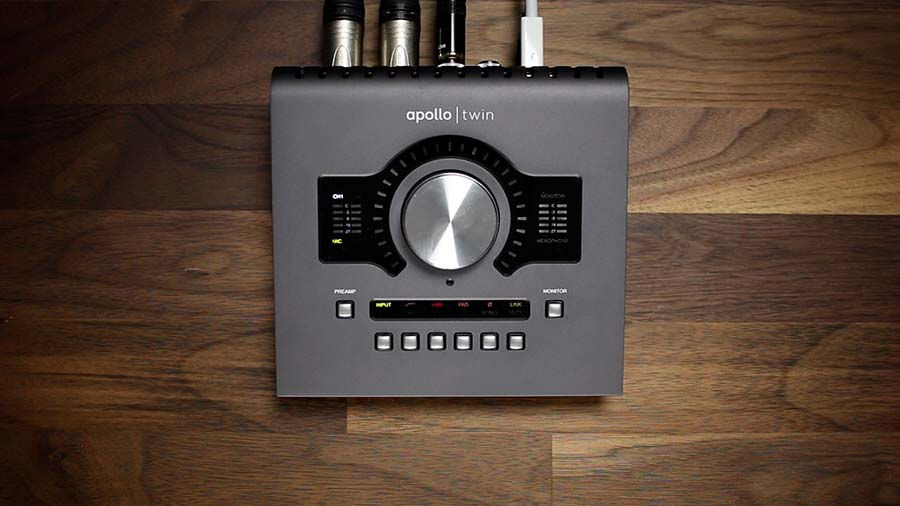
Once you’re ready, you’ll begin playing. We monitor levels in real time, allowing you to focus entirely on the music. We take as many takes as you need or want. When recording 4K video, we suggest breaking up takes into no more than 10-20 minutes sets as file sizes can be large.
Step 5: Share the Music
After your session, we upload your audio files to Google Drive within 24 hours. Once you choose your preferred take(s), we sync and edit your final video. When you let us know which takes you’d like synced with your videos, we’ll begin the editing process.


Step 6: Post Production
During this stage, we ensure your video is bright and clear and your sound is balanced and natural. You’re welcome to request additional or advanced edits — such as lighting adjustments or subtle audio refinements — when you confirm your selected takes.
Final videos are typically delivered within 72 hours after your selections are confirmed.
Need them sooner? Express delivery within 24 hours is available for an additional fee.
Ways to Record in Jinny's Music Studio
 From 150 US dollars
 From 120 US dollars
 From 150 US dollars
 From 150 US dollars
 From 120 US dollars
 From 400 US dollars
 From 120 US dollars
Our recording studio room isn’t one fixed sound—it’s a refined, flexible acoustic space that can be tuned for recording, rehearsal, or performance, so musicians can truly hear themselves play.
Why Musicians Choose Our Recording Studio

Why Musicians Choose Our Recording Studio
Floating Floor

Our floor isn’t just stylish—it floats! Underneath are layers of cork, rubber, and sound-blocking vinyl that help keep every note crisp up here and silent down below. Even our bass notes know how to behave.
Our floor isn’t just stylish—it floats! Underneath are layers of cork, rubber, and sound-blocking vinyl that help keep every note crisp up here and silent down below. Even our bass notes know how to behave.
Reverb Control

Musicians listen to the room as they play—subtle echoes help guide pitch, phrasing, and tone. Our ceiling tiles—patterned like a tuning fork, even around lights and vents—create just enough reverb to support performers without muddying your audio takes.
Acoustic Reflectors

Sound qualities adjust to different elements such as wood or metal. Our custom reflectors & panels will naturally change tonal quality helping musicians hear a unique natural bloom.
Why musi
Our floor isn’t just stylish—it floats! Underneath are layers of cork, rubber, and sound-blocking vinyl that help keep every note crisp up here and silent down below. Even our bass notes know how to behave.
Floating Floor
Our floor isn’t just stylish—it floats! Underneath are layers of cork, rubber, and sound-blocking vinyl that help keep every note crisp up here and silent down below. Even our bass notes know how to behave.
Musicians listen to the room as they play—subtle echoes help guide pitch, phrasing, and tone. Our ceiling tiles—patterned like a tuning fork, even around lights and vents—create just enough reverb to support performers without muddying your audio takes.
Floating Floor
Our floor isn’t just stylish—it floats! Underneath are layers of cork, rubber, and sound-blocking vinyl that help keep every note crisp up here and silent down below. Even our bass notes know how to behave.
Sound qualities adjust to different elements such as wood or metal. Our custom reflectors & panels will naturally change tonal quality helping musicians hear a unique natural bloom.
Floating Floor
Our floor isn’t just stylish—it floats! Underneath are layers of cork, rubber, and sound-blocking vinyl that help keep every note crisp up here and silent down below. Even our bass notes know how to behave.
Why Musicians Choose Our Recording Studio