Why Recording Flute Requires Nuance at Jinny’s Music Studio
Updated: Jul 11
Recording the Flute: A Delicate Art at Jinny’s Music Studio
Recording the flute is a delicate art. The instrument’s sound is transparent and revealing. Every breath, every subtle change in air pressure, and every slight shift in embouchure becomes part of the recorded sound. This transparency makes the flute beautiful in live performance but challenging in the studio.
At Jinny’s Music Studio, we understand these challenges deeply. Our space and approach are designed to honor the flute’s unique voice. We carefully balance microphone placement, room acoustics, and post-production to capture recordings that feel alive, warm, and true to the player’s intent.

Microphone placement above the flute’s embouchure hole captures clarity without harsh breath noise.
Mic Placement: Precision Matters
The flute’s sound projects mostly from the embouchure hole, where the player blows air across the instrument. The rest of the flute’s body adds subtle resonance. This means mic placement is not just about distance but also angle and axis.
At Jinny’s Music Studio, we use a combination of microphones to capture the flute’s full character:
Small or large diaphram mics angled slightly above the embouchure hole
These small diaphragm condensers capture the clarity and overtones of the flute without picking up the direct air blast. The angle is crucial—too close or too direct, and breath noise becomes exaggerated.
Secondary condensers
Positioned off-axis, these mics add depth or soften brightness depending on the player’s style. They help balance the sound, making it less brittle or harsh.
Stereo pairs
These widen the stereo image, perfect for chamber music or flute and piano duets. They create a natural sense of space without overwhelming the intimate sound of the flute.
Room microphones
Placed strategically, these capture the resonance shaped by our studio’s reflectors, diffusers, and ceiling treatments. They add warmth and air without making the sound too dry or too echoey.
Even a small adjustment—two inches up or down, a slight turn—can change the balance between breath and tone, intimacy and projection. This precision is what makes flute recording so nuanced.
Shaping Air and Resonance With Pan Acoustics
The flute reacts strongly to room reflections. Unlike many instruments, its sound can quickly become brittle or shrill if the room is too reflective. On the other hand, a room that is too dry can make the flute sound thin and lifeless.
Our studio uses pan acoustics—movable reflectors, diffusers, and ceiling treatments—to shape how the flute’s air interacts with the space:
Forward reflectors add shimmer and brightness, ideal for French repertoire or pieces needing sparkle.
Diffusers soften the hiss of breath and prevent high notes from becoming harsh.
Ceiling absorbers manage the flute’s strong upward projection, smoothing the tone and preventing shrillness.
Floating floors help prevent thinness by grounding the sound in the low register.
This flexibility means we don’t force the flute into one sound. Instead, we let the player decide if they want an intimate, breath-rich Bach or a glowing, expansive Debussy.

Our studio’s acoustic treatments allow fine-tuning of reflections and resonance for wind instruments.
Register Balance: Air, Warmth, and Brilliance
The flute’s character changes with each octave. Capturing these shifts requires careful layering of microphones and room sound:
Low register
The flute sounds woody and dark here. Without room support, these notes can get lost. We emphasize warmth by blending close mics with room captures.
Middle register
This is the flute’s lyrical heart. It should sound balanced and expressive. Our mic setup lets this register sing naturally without artificial coloring.
High register
Bright and brilliant, but easy to cross into shrillness. We use EQ and mic placement to keep these notes sparkling but smooth.
By combining close condensers, stereo pairs, and room mics, we create a recording that highlights warmth in the lows, clarity in the middle, and brilliance in the highs without harshness.
Session Philosophy: Recording the Flute’s Voice
Recording flute is not just about capturing notes. It’s about capturing personality. The same phrase can sound airy, focused, warm, or brilliant depending on how the player shapes their breath.
At Jinny’s Music Studio, we give the flutist control over their sound. We adjust mic balance and pan acoustics to avoid imposing a “house sound.” Instead, the session becomes a collaboration between performer, instrument, and space.
We ask questions like:
Do you want the airiness of a live recital or the focus of an audition track?
Should the room bloom with resonance or stay dry and close?
Is the tone meant to sit with piano or cut through an ensemble?
This approach lets each recording reflect the player’s artistic choices.
Post-Production Approach
Editing flute recordings requires a light touch. The air around the notes is part of the music but must not distract.
Our post-production includes:
Spectral editing to reduce excess breath noise while keeping natural air.
EQ to soften sharp edges in the top register and enhance warmth in the lows.
Dynamics processing with a light hand to preserve natural phrasing.
Noise cleanup to remove clicks, “chirps,” or mic overload from strong attacks.
We polish the recording without sterilizing it, preserving the flute’s lyrical character.
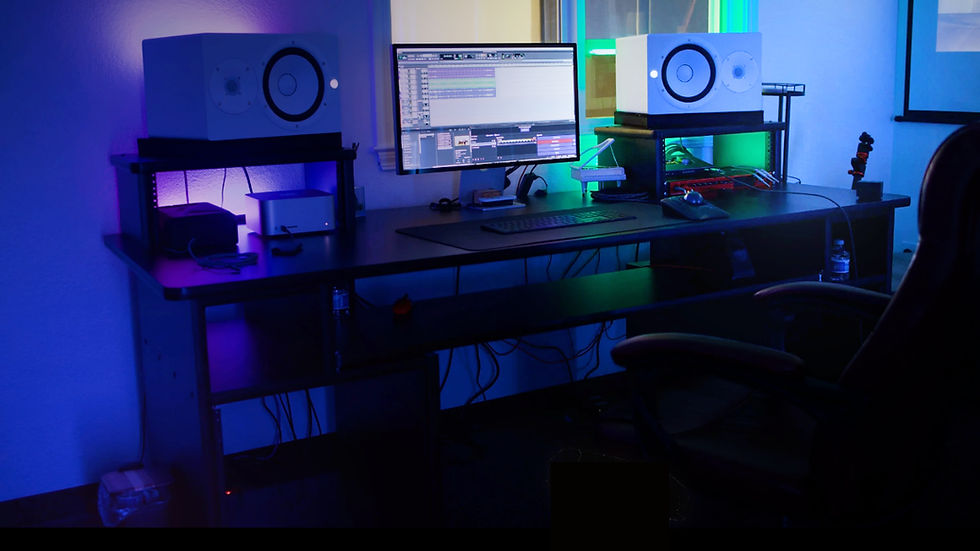
Post-production tools help balance breath noise and tone without losing the flute’s natural voice.
Why Jinny’s Flute Recordings Are Unique
What sets Jinny’s Music Studio apart is our focus on instruments like the flute, not just vocals or amplified sound.
Flexible mic choices
We use KM184s for brightness, U87s for warmth, and C414s for stereo width. This variety lets us tailor the sound to each player.
Pan acoustics
Our adjustable reflectors and diffusers let us tune the room’s air and tone precisely.
Up to 8-mic layering
This captures both intimacy and bloom, giving recordings depth and clarity.
Oak and maple surfaces
These add organic warmth, preventing thin or sterile sound.
Environmental adaptability
We account for humidity and temperature shifts that affect how a flute speaks. For example, dry air brightens the tone, while damp air rounds it.
The result is not just a clean flute track but a recording that preserves the player’s personality and the instrument’s natural beauty.
The Importance of a Comfortable Space
Creating a comfortable recording environment is essential for any musician. It allows them to focus on their performance without distractions. At Jinny’s Music Studio, we prioritize this aspect. Our studio is designed to be inviting and calming.
We have comfortable seating and a relaxed atmosphere. Musicians can take their time to warm up and feel at ease. This thoughtful preparation helps them deliver their best performance.
Final Thoughts
Recording flute requires more than avoiding breath noise. It’s about balancing air, resonance, and warmth so the instrument feels alive.
At Jinny’s Music Studio, our blend of mic precision, pan acoustics, and acoustic design allows every flutist to shape their sound authentically. We invite you to experience this nuanced approach in your next recording session.
✨ Book your flute recording session at Jinny’s Music Studio and let your music breathe.
Thank you for reading about the art of recording flute. We look forward to welcoming you to our studio.


